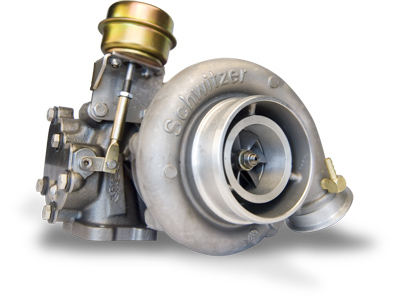
Compressed air is one of the principal aspects of a working engine. The turbocharger is a turbine-driven forced induction device that increases an engine’s efficiency and power by forcing extra air into the combustion chamber.
This improvement results because the turbine can force more air, and 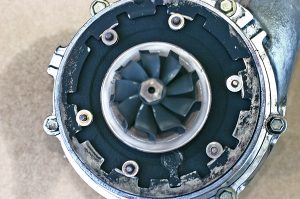 proportionately more fuel, into the combustion chamber than atmospheric pressure alone. The power needed to spin the centrifugal compressor is derived from the kinetic energy of the engine’s exhaust gases, without consuming any power from the drive shaft.
Poor fuel atomization leads to the generation of soot, which can clog up the exhaust system. This puts negative pressure on the turbocharger, which inhibits the exhaust and reduces engine power. In addition to a less powerful engine, the main symptoms of this predicament are faulty engine starts, a noisy turbo, white exhaust smoke, and the over-consumption of oil.
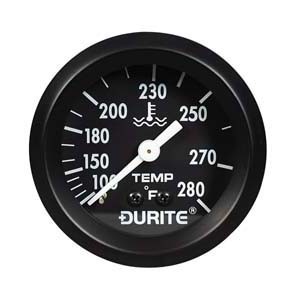 Smooth driving from a cold start is recommended, as long as the engine and engine oil temperature rise. Also important to note: when the engine is shut off, although the oil is no longer flowing, the turbocharger will continue to turn for a short period of time. To prevent the turbo from turning dry, it is recommended to let the engine run for a while after coming to a final stop.